
7 steps to sustainable cleaning in the workplace
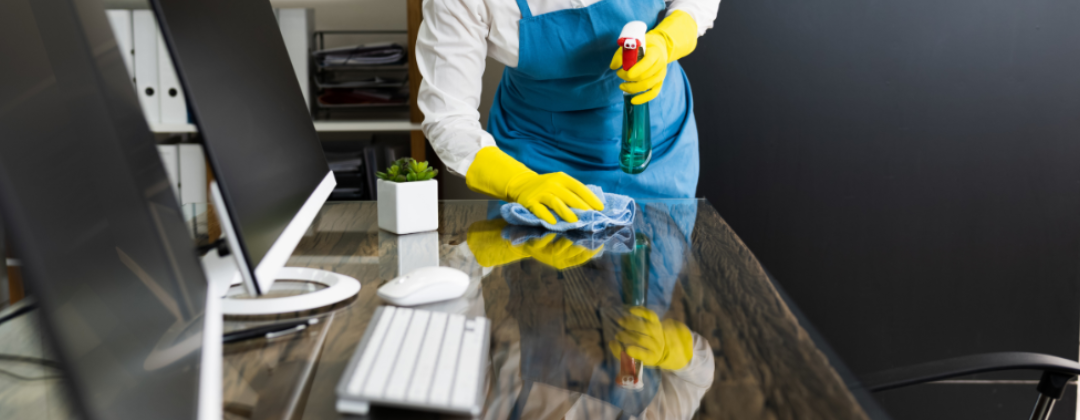
Sustainable cleaning in the workplace
Sustainable cleaning in the workplace is essential for staff wellbeing, productivity, and maintaining a professional image.
Achieving high standards of hygiene doesn’t have to come at the expense of the environment. With sustainable cleaning strategies and the right approach, businesses can maintain spotless workplaces while minimising their environmental impact.
Seven steps to sustainable cleaning
1) Choose eco-friendly cleaning products
The products you use to clean your workplace have a significant role in your environmental footprint. Many traditional cleaning products contain chemicals that can harm waterways and ecosystems.
You can reduce your environmental impact without compromising on cleaning standards by choosing biodegradable, non-toxic, and low-VOC alternatives.
Look for sustainability credentials and standards such as the EU Ecolabel, Nordic Swan, Cradle to Cradle, Global GreenTag, carbon-neutral products, FSC-certified packaging, and the ISO 14001 certification. All of these indicators will likely reduce your organisation’s scope 3 emissions.
2) Switch to reusable cleaning materials
Disposable wipes, mop heads, and cloths contribute significantly to workplace waste. Replacing them with washable, reusable alternatives will help cut down your general waste costs.
Microfibre cloths, for example, are durable, effective at capturing dirt, and can be laundered repeatedly.
By investing in reusable cleaning materials, your business can maintain high hygiene standards while embracing a more sustainable approach.
3) Optimise your cleaning schedules
Cleaning doesn’t have to be excessive to be effective.
Instead, focus on the areas that see the most use and require frequent attention, such as kitchens, restrooms, hot-desking spaces and other high-traffic communal areas.
By tailoring cleaning schedules to the actual needs of your workplace, you can reduce unnecessary water and energy usage, lower your chemical consumption, and still maintain a pristine environment.
A strategic approach saves money and ensures your staff and visitors work in consistently clean spaces.
4) Reduce water and energy use
Small changes in cleaning practices can make a big difference.
Using concentrated cleaning solutions, efficient spray systems, or water-saving equipment can significantly cut water consumption.
Similarly, choosing energy-efficient cleaning machines and timing cleaning activities during off-peak energy hours will reduce electricity usage.
Taking steps to optimise when and how much energy and water you use will reduce your operational costs and scope 1 emissions.
5) Embrace smart technology
Modern cleaning technology offers smarter, more sustainable solutions.
Microfibre systems and smart dispensers help reduce waste and limit chemical use, whilst workplace management software provides insights into your space usage, allowing you to optimise cleaning schedules and improve efficiency.
Investing in these technologies allows cleaning teams to achieve better results in less time, while also lowering the overall environmental footprint of cleaning operations.
6) Educate and involve staff
Sustainable cleaning isn’t just about the cleaning team—it’s about everyone in the workplace.
Encourage staff to maintain tidy workspaces, properly sort waste, and adopt small, everyday habits that support sustainability.
Simple steps, such as wiping down personal and hot desks with reusable cloths, complement professional cleaning efforts and foster a culture of responsibility and care.
7) Partner with a professional sustainable cleaning service
For many businesses, achieving truly sustainable cleaning requires professional expertise.
A professional provider can develop tailored cleaning programmes that balance hygiene, efficiency, and environmental responsibility.
If you’re going to use a professional provider, look for the following attributes:
- Use eco-friendly chemicals and equipment – don’t partner with a provider who doesn’t prioritise sustainable practices.
- BICSc-accredited – proof that they’re competent and use best practice.
- Hold the relevant ISO standards – ISO9001, ISO14001, ISO41001, and ISO45001.
- Employ local people – this reduces your scope 3 emissions.
- Have adequate resources – if people are sick, your cleaning shouldn’t be affected.
Sustainable cleaning in the workplace
Maintaining a clean workplace doesn’t need to come at the cost of the environment.
By choosing eco-friendly products, rethinking cleaning materials, optimising schedules, and leveraging smart technology, businesses can significantly reduce their environmental footprint.
Involving staff and partnering with a professional cleaning service provider strengthens these efforts and creates a workplace that is both clean and green.
Contact Bristol Waste’s professional cleaning team today to explore sustainable solutions tailored to your business.


